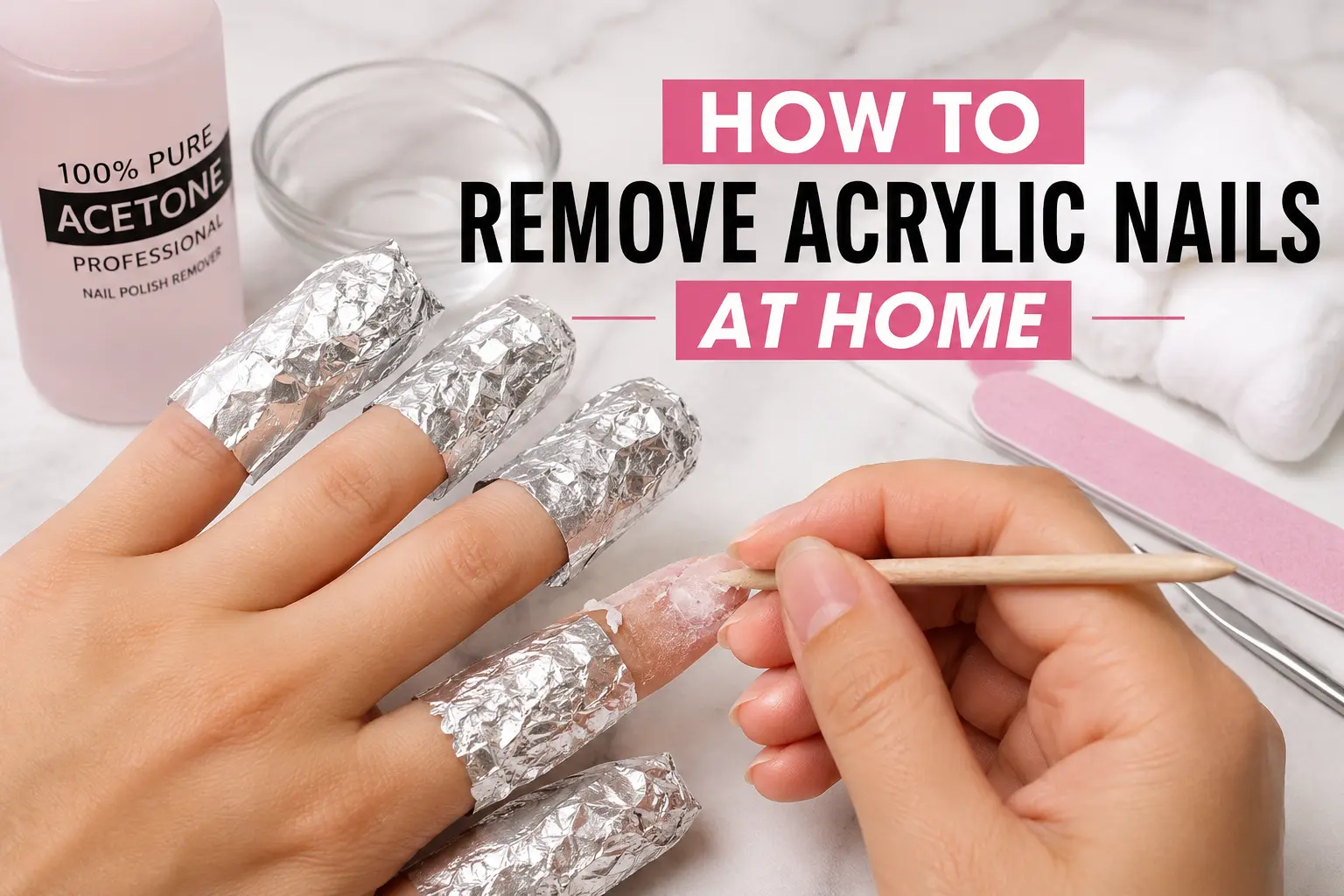
How to Remove Acrylic Nails Safely at Home (Without Damaging Your Natural Nails)
Acrylic nails are a wonderful way of getting lasting salon quality manicures. It is crucial, however, to know how to remove acrylic nails properly. An improper removal of these nails can damage the health of your natural nails and cause unnecessary harm.
People usually attempt to peel or pull acrylic nails off since it seems like an easy thing to do. Nevertheless, doing that can destroy several layers of your nails, cause pain, make them thinner, increase their vulnerability to breaking and becoming sensitive. In the worst case scenario, it might lead to the development of nail infections.
A much better option is to take your time to remove acrylic nails carefully, with all appropriate tools and methods. Even though this might be a little bit slower, your natural nails will remain in good condition and you will be able to use them again in the future when having a manicure.
In the current manual, you will find information on how to remove acrylic nails at home properly.
Why You Should Never Pull Off Acrylic Nails
- Damage to nail plate
- Pain and bleeding
- Long recovery time
- Increased infection risk
Things You will Need
100% Pure Acetone
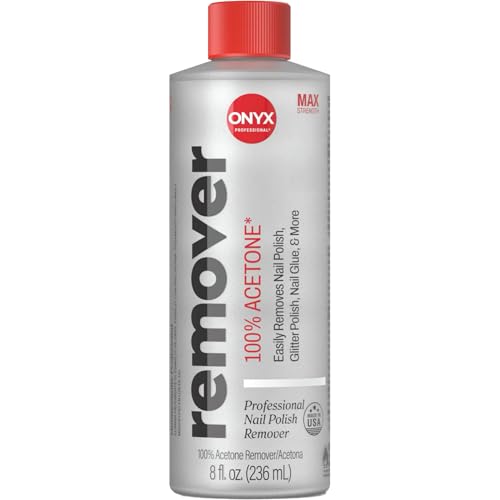
- 100% Acetone Gel Polish Remover & Nail File: Onyx Professional’s pure acetone nail polish remover effortlessly removes a…
- Unmatched Versatility: This acetone nail polish remover tackles various nail enhancements effortlessly, including artifi…
- Quick and Effortless: With our pure acetone formula, you’ll experience fast and efficient nail polish remover. Spend les…
Nail Clippers
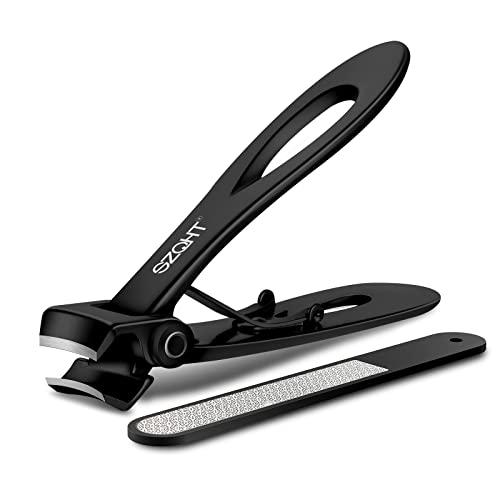
- BUY WITH CONFIDENCE: Your satisfaction matters! This nail clippers set includes a professional nail clipper and a stainl…
- IDEAL FOR THICK NAILS; Perfect toenail clippers for your thick or hard toe nails due to health concerns; wide jaw opens …
- DESIGNED FOR SOLID CONSTRUCTION AND DURABILITY: The Large nail clipper Size 3.54” x 0.59” x 0.55”, comfortable and ergon…
Nail File (100/180 grit)
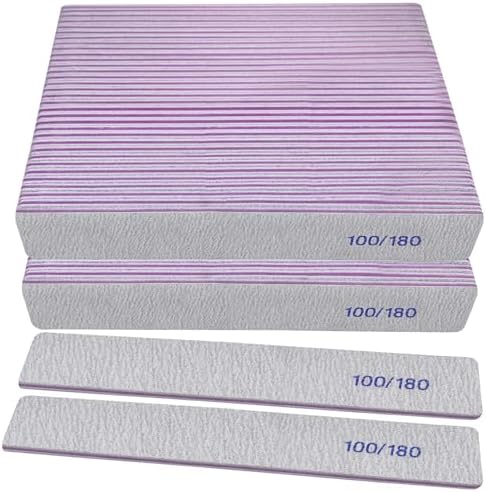
- Enhanced Material Quality: These nail filers have been meticulously crafted using premium sandpaper, EVA, and Emery boar…
- 100/180 Grit Dual-Sided Nail Files: Each package contains 50 double-sided nail files, with one side featuring a coarse 1…
- Perfect Shape and Size: HomeyEra’s large nail files are intelligently designed in a square shape, with a generous length…
Cotton Balls
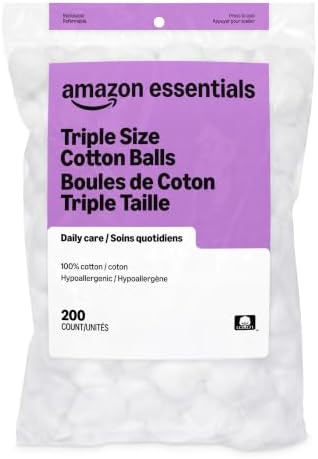
- Includes 200 Amazon Basics Cotton Balls
- Cotton
- Ideal for makeup application and removal
Aluminum Foil Wraps

- 200 SQUARE FOOT ALUMINUM ROLL: This package contains 1 Reynolds wrap aluminum foil roll measuring 200 feet long by 12 in…
- ALUMINUM FOIL: Backed by over 70 years of quality & strength, home cooks of all kinds trust Reynolds foil for easy prepp…
- LOCKS IN FLAVOR: Use this versatile kitchen foil to cook packet meals, tent roasted meats, cover casseroles, protect lef…
Cuticle Pusher

- 5 in 1 Manicure and Pedicure Tool Set — Including cuticle trimmer, cuticle pusher cutter flat head, cuticle pusher cutt…
- Effective Jaw Design of the Cuticle Cutter — The cuticle nipper could easily scraper the cuticle or nail gels, even in …
- Upgraded Polished Stainless Steel Materal — The cuticle trimmer and cuticle pusher cutter are made of polished stainles…
Nail Buffer
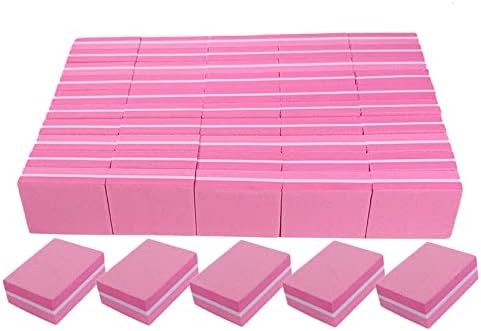
- HIGH-QUALITY MATERIALS OF BUFFERS: Our mini buffer block nail files are made with top-quality sandpaper and EVA sponge m…
- PORTABLE AND CONVENIENT: With a compact size of 1.4” x 1″, our mini nail buffers are easy to carry in your purse or bag,…
- SUITABLE FOR ALL NAIL TYPES: Our mini nail buffers are perfect for prepping your nails before applying nail buffing, gel…
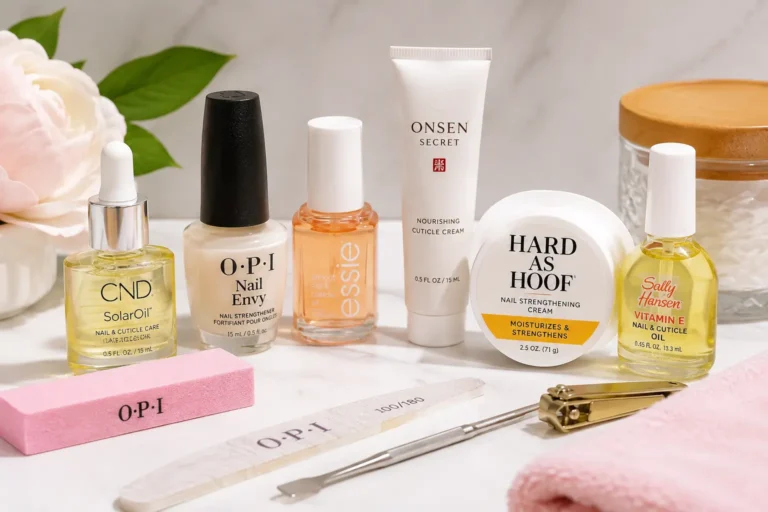
Cuticle Oil
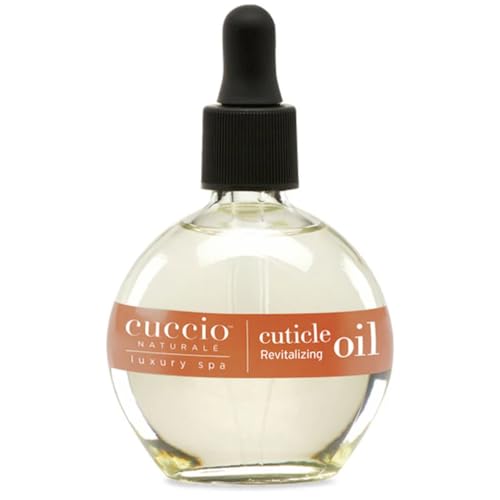
- ADVANCED THERAPY FOR DRY HANDS. Give your cuticles some much-needed love and care. Our vitamin-infused oil conditioner d…
- ARFITICIAL INGREDIENTS BEGONE. Obtain salon-quality results without unnatural chemicals touching your skin. 100% paraben…
- INTENSIVE HYDRATION WITH NO HEAVY RESIDUE. This oil is the solution to dry, damaged cuticles, and it won’t weigh your ha…
Nail Strengthener
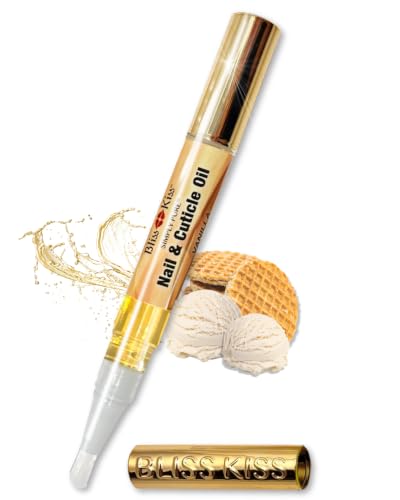
- Jojoba Oil for Healthy-Looking Nails – Enriched with jojoba oil for nails, our cuticle oil for nails formula mimics natu…
- Supports Stronger Nails – This nail oil is specially formulated to help keep nails looking healthy and well-conditioned,…
- Ideal for Nails After Enhancements – Ready to break up with acrylics or gel? Simply Pure nail strengthener for damaged n…
Method 1: Remove Acrylic Nails with Acetone (Best Method)
Using pure acetone is the safest and most effective way to remove acrylic nails at home. It softens the acrylic, making it easy to remove without excessive force. Follow these simple steps to protect your natural nails.
Step 1: Trim Your Acrylic Nails
Use a nail clipper to trim your acrylic nails as short as possible. Shorter nails require less soaking time and are easier to remove.
Tip: Avoid cutting too close to your natural nail to prevent discomfort.
Step 2: File Off the Shiny Top Coat
Use a coarse nail file (100/180 grit) to gently remove the glossy top layer of the acrylic. This helps the acetone penetrate the acrylic faster and speeds up the removal process.
File gently and avoid filing your natural nail.
Step 3: Soak Cotton Balls in Pure Acetone
Completely soak a cotton ball or cotton pad with 100% pure acetone. Make sure it’s saturated enough to cover the entire acrylic nail.
Pure acetone works much faster than regular nail polish remover.
Step 4: Wrap Each Nail with Foil
Place the acetone-soaked cotton on your nail and wrap it tightly with a small piece of aluminum foil. Repeat this process for every finger.
The foil traps heat, allowing the acetone to soften the acrylic more effectively.
Step 5: Wait 20–30 Minutes
Leave the foil wraps on for about 20 to 30 minutes. During this time, the acetone will break down the acrylic, making it much easier to remove.
Avoid unwrapping the nails too early, as this can make the process take longer.
Step 6: Gently Push Off the Softened Acrylic
Remove one foil wrap at a time and use a wooden cuticle stick or cuticle pusher to gently slide the softened acrylic off your nail.
If the acrylic doesn’t come off easily, don’t force it. Forcing it can damage your natural nail.
Step 7: Repeat if Necessary
Some thicker acrylic nails may still have small pieces attached. Reapply fresh acetone-soaked cotton, wrap the nail again, and soak for another 10–15 minutes.
Repeat until all the acrylic has been removed.
Step 8: Buff Your Nails
After removing the acrylic, gently buff the surface of your natural nails with a fine-grit buffer. This smooths away any remaining residue and leaves your nails looking clean.
Be gentle to avoid thinning your natural nails.
Step 9: Apply Cuticle Oil
Wash your hands thoroughly to remove any acetone residue. Then apply a generous amount of cuticle oil and massage it into your nails and surrounding skin.
Finish with a moisturizing hand cream to restore hydration, as acetone can leave your nails and skin feeling dry.
Pro Tip: Give your natural nails a few days to recover before applying a new set of acrylic nails. Regular use of cuticle oil and a nail strengthener can help keep your nails healthy and strong.
Method 2: Acetone Bowl Method
The acetone bowl method is another effective way to remove acrylic nails at home. Instead of wrapping each nail with foil, you soak your fingertips in a bowl of pure acetone. While this method is simple, it exposes more skin to acetone, which can cause dryness.
Pros
- Easy to do with minimal supplies.
- No need for cotton balls or aluminum foil.
- Works well for removing stubborn acrylic nails.
- Softens acrylic evenly across all nails.
- Ideal if you need to remove a full set at once.
Cons
- Uses more acetone than the foil method.
- Can dry out your nails and surrounding skin.
- Strong acetone fumes may be uncomfortable.
- Your fingertips remain fully submerged, which may irritate sensitive skin.
- Usually takes longer than the foil wrap method.
Instructions
- Trim your acrylic nails as short as possible using a nail clipper.
- File off the shiny top coat with a coarse nail file. This helps the acetone penetrate the acrylic more quickly.
- Pour 100% pure acetone into a small glass or ceramic bowl. Use enough acetone to completely cover your fingertips.
- Soak your fingertips in the acetone for 20–30 minutes. Keep your hands relaxed and avoid removing them too often.
- Check the acrylic after about 20 minutes. If it has softened, gently push it off using a wooden cuticle stick or cuticle pusher.
- If the acrylic is still firm, soak your nails for another 5–10 minutes before trying again. Never force the acrylic off.
- Buff your nails lightly to remove any remaining residue and smooth the nail surface.
- Wash your hands thoroughly, then apply cuticle oil followed by a rich hand cream to restore moisture.
Tip: If possible, warm the bowl of acetone by placing it inside a larger bowl filled with warm (not hot) water. Slightly warm acetone works faster, but never heat acetone directly in a microwave or on the stove because it is highly flammable.
Method 3: Warm Water + Oil Method (Not Recommended)
Some people recommend soaking acrylic nails in warm water mixed with oil and soap. While this method is gentle, it is not the most effective way to remove acrylic nails.
Warm water cannot dissolve acrylic. It only softens the adhesive slightly, so the acrylic usually stays firmly attached to your natural nails.
Because of this, you’ll often need to soak your nails for 45–60 minutes or even longer. Thick acrylic nails may not come off at all.
Another downside is that long soaking can make you impatient. Many people end up peeling or forcing the acrylic off, which can damage the natural nail underneath.
Why It Takes Longer
- Water does not break down acrylic like acetone.
- The adhesive loosens very slowly.
- Multiple soaking sessions may be needed.
Why It Doesn’t Work Well
- It struggles to remove thick acrylic nails.
- Acrylic often remains stuck after soaking.
- You may still need acetone to finish the job.
- Peeling stubborn acrylic can cause nail damage.
Bottom Line: If you want to remove acrylic nails safely and quickly, the acetone foil method is still the best option. It softens the acrylic much faster and helps protect your natural nails.
How Long Does It Take?
| Removal Method | Time | Effectiveness |
|---|---|---|
| Acetone + Foil | 20–30 min | ⭐⭐⭐⭐⭐ |
| Acetone Bowl | 30–45 min | ⭐⭐⭐⭐ |
| Warm Water | 60+ min | ⭐⭐ |
Common Mistakes to Avoid
- Rip them off
- Use metal tools aggressively
- Skip filing
- Rush the soaking process
- Ignore aftercare
Aftercare Tips
Hydrate nails
Use cuticle oil
Take a break before new acrylics
Use nail strengthener
Wear gloves while cleaning
Best Products for Removing Acrylic Nails
Best Pure Acetone
Onyx Professional 100% Pure Acetone
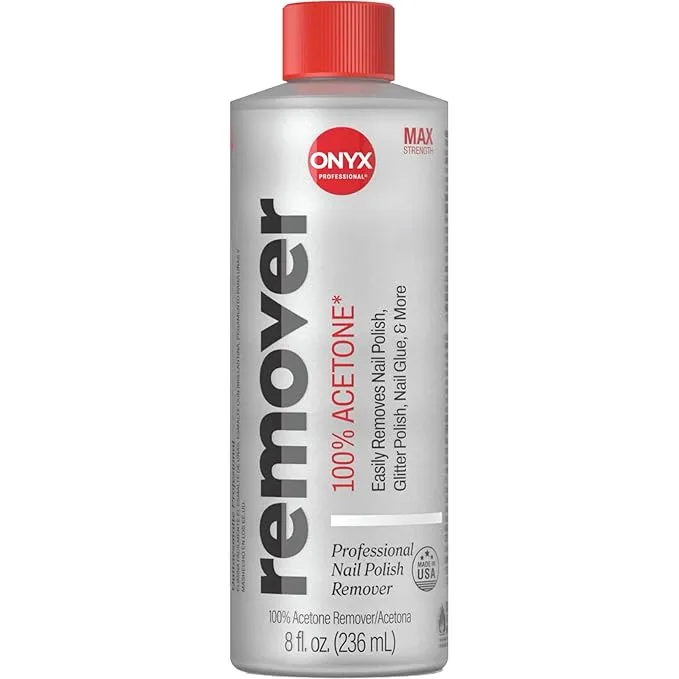
Who It’s Best For
Anyone looking for the fastest and most effective way to remove acrylic nails at home.
Best Nail File
Teenitor Nail File
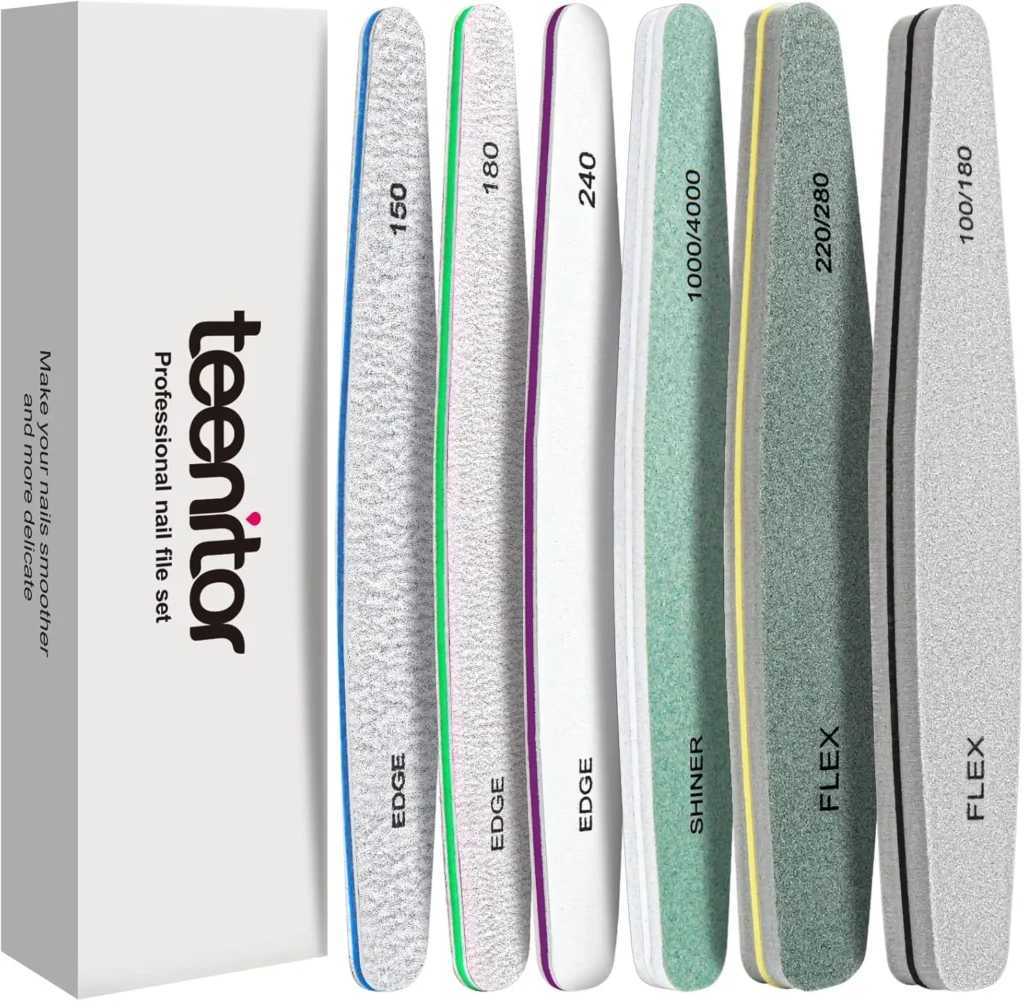
Who It’s Best For
Beginners and regular acrylic nail users who need a reliable nail file.
Best Cuticle Oil
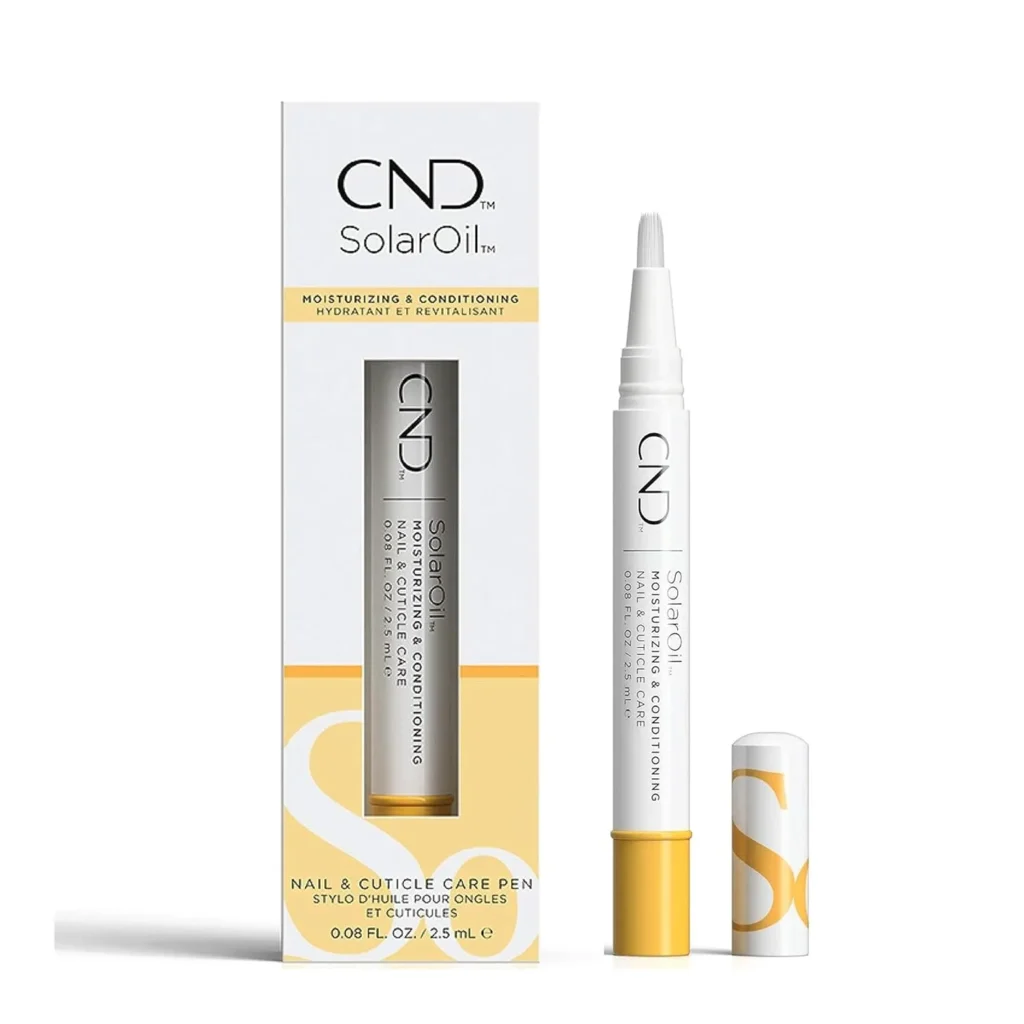
CND SolarOil Cuticle Oil
Who It’s Best For
People with dry or brittle nails after removing acrylics.
Best Nail Strengthener
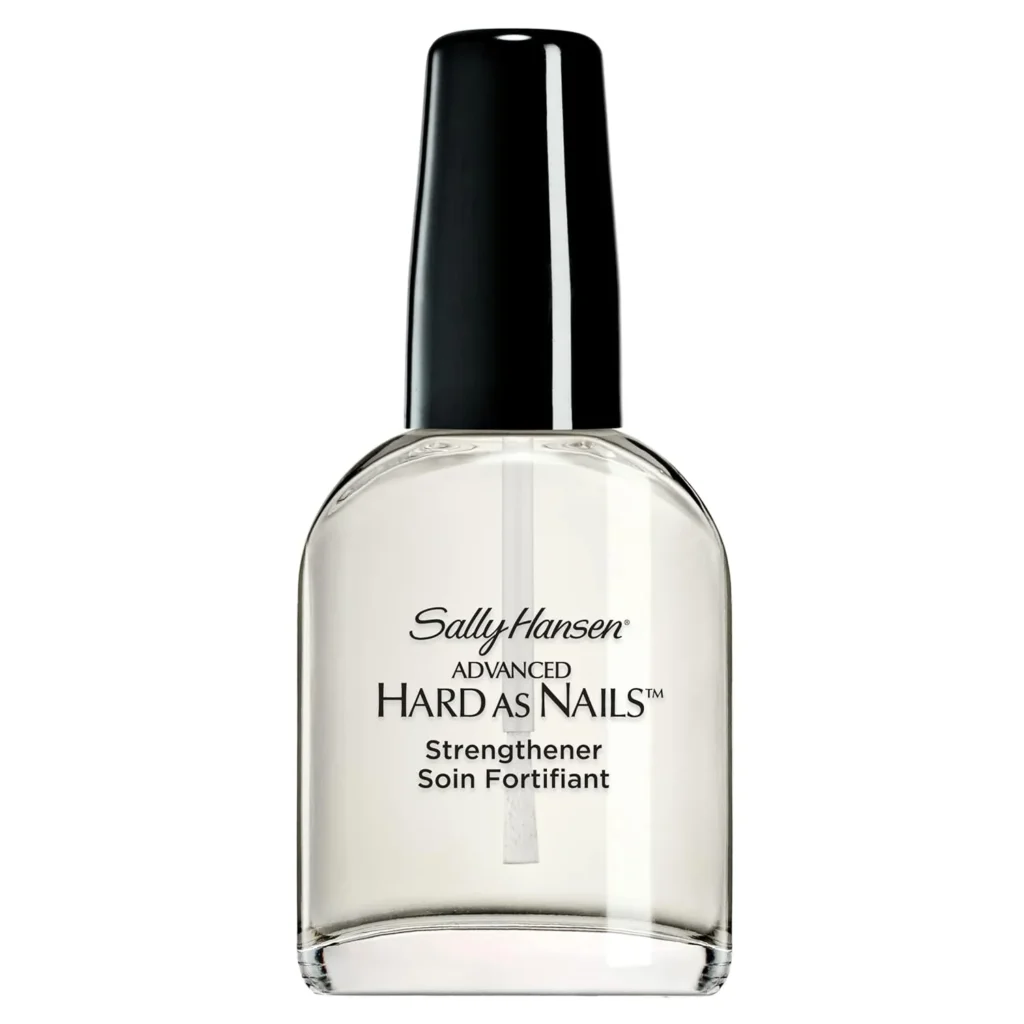
Sally Hansen Hard as Nails Strengthener
Who It’s Best For
Anyone trying to restore healthy nails after wearing acrylics for an extended period.
Frequently Asked Questions
Yes, but it usually takes much longer and isn’t as effective. Methods like warm water, oil, or dental floss may loosen the acrylic, but they rarely remove it completely. For the safest and quickest results, 100% pure acetone is the recommended option.
Acetone can temporarily dry out your nails and surrounding skin, but it doesn’t permanently damage healthy nails when used correctly. After removal, apply cuticle oil and a moisturizer to restore hydration.
It’s a good idea to give your natural nails a short break after wearing acrylics for several weeks. Taking a break every 2–3 months can help keep your nails healthy and reduce the risk of thinning or breakage.
Your nails may feel thin if the acrylic was peeled off instead of being properly soaked. Over-filing during application or removal can also weaken the nail plate. With proper care, most nails recover as they grow out.
Yes, you can apply regular nail polish after removing acrylic nails. However, if your nails feel weak or dry, it’s best to wait a day or two and use cuticle oil or a nail strengthener before painting them.
Final Word
Having knowledge on how to get acrylic nails off safely will help you prevent potential damage that can affect your natural nails. While there are different ways to remove the nails, using the acetone foil method proves to be the safest, easiest, and most effective way to do it.
Do not peel or pull off your acrylic nails no matter how much they have lifted from your nails. It would be better if you spend some more time in removing them as this will help you prevent breaking or thinning of your nails along with the pain you will experience when doing so.
After removing the acrylic nails, remember to take good care of your nails by applying cuticle oil and a hand moisturizer. You may also consider using a nail strengthener.
If you are trying acrylic nails removal for the first time, it is better if you use a beginner acrylic nail removal kit.
For more nail tutorials, product reviews, and beauty tips, visit our homepage.