
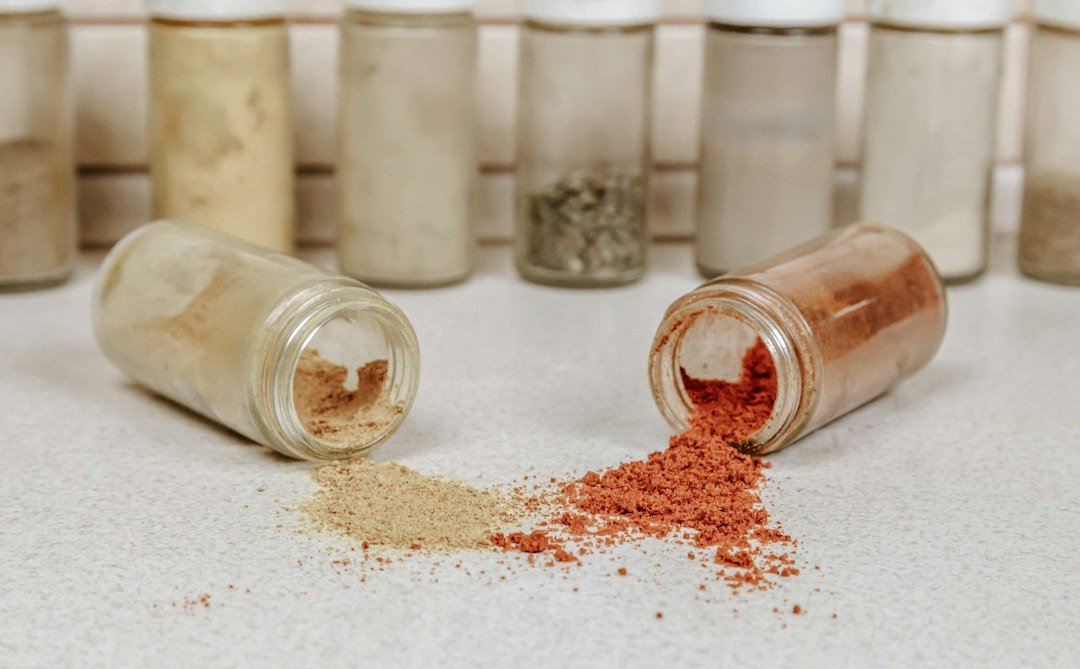
Mixing acrylic powder colors can be a delicate process, and even experienced nail technicians can encounter issues when trying to achieve the perfect shade. Acrylic powder mixing is an art that requires patience, practice, and attention to detail. In this article, we’ll explore common mistakes to avoid when mixing clear, white, and pink acrylic powder, and provide you with expert tips to troubleshoot and perfect your technique.
Understanding the Basics of Acrylic Powder Mixing
Before we dive into the common mistakes, it’s essential to understand the basics of acrylic powder mixing. Acrylic powder is a mixture of monomers and polymers that, when combined with a liquid monomer, creates a durable and long-lasting nail enhancement. The type and quality of acrylic powder used can significantly impact the final result. For example, clear acrylic powder is ideal for creating natural-looking nail enhancements, while white and pink acrylic powder are often used for more dramatic designs.
Common Mistakes to Avoid When Mixing Acrylic Powder Colors
Insufficient or Excessive Powder
One of the most common mistakes when mixing acrylic powder colors is using too little or too much powder. Using too little powder can result in a weak and brittle nail enhancement, while using too much powder can lead to a thick and uneven application. To avoid this mistake, it’s crucial to use the right ratio of powder to liquid monomer. A general rule of thumb is to use one part powder to two parts liquid monomer.
Incorrect Ratio of Colors
Another common mistake is using the wrong ratio of colors when mixing acrylic powder. For example, when mixing white and pink acrylic powder, using too much white powder can result in a pasty and unnatural-looking color. To achieve a natural-looking pink shade, it’s essential to use the right ratio of white to pink powder. A good starting point is to use one part white powder to three parts pink powder.
Not Considering the Undertones
Acrylic powder colors can have undertones that can affect the final result. For example, some white acrylic powders may have a blue undertone, which can give the nail enhancement a cool, pinkish hue. To avoid this mistake, it’s essential to consider the undertones of the powder colors you’re using and adjust the ratio accordingly. You can also use a color wheel to help you determine the undertones of the powder colors and make the necessary adjustments.
Not Testing the Color
Finally, not testing the color before applying it to the nail is a common mistake that can lead to disappointing results. To avoid this mistake, it’s essential to test the color on a small area of the nail or on a nail wheel before applying it to the entire nail. This will give you an idea of how the color will look and allow you to make any necessary adjustments.
Tips for Achieving a Natural-Looking Color
Achieving a natural-looking color when mixing acrylic powder colors requires practice and patience. Here are some tips to help you get started:
- Start with a small amount of powder and gradually add more as needed.
- Use a color wheel to determine the undertones of the powder colors and make the necessary adjustments.
- Test the color on a small area of the nail or on a nail wheel before applying it to the entire nail.
- Use a high-quality acrylic powder that is specifically designed for nail enhancements.
Conclusion
Mixing acrylic powder colors can be a challenging process, but with practice and patience, you can achieve a natural-looking color that enhances the beauty of the nail. By avoiding common mistakes such as insufficient or excessive powder, incorrect ratio of colors, not considering the undertones, and not testing the color, you can ensure a successful outcome. Remember to always use high-quality acrylic powder and to follow proper sanitation and application techniques to ensure a long-lasting and durable nail enhancement. For more information on acrylic powder and nail enhancements, check out this article on Wikipedia.
For more information on the different types of acrylic powder, including clear, white, and pink, check out our comprehensive guide Clear vs. White vs. Pink Acrylic Powder: A Comprehensive Guide.