
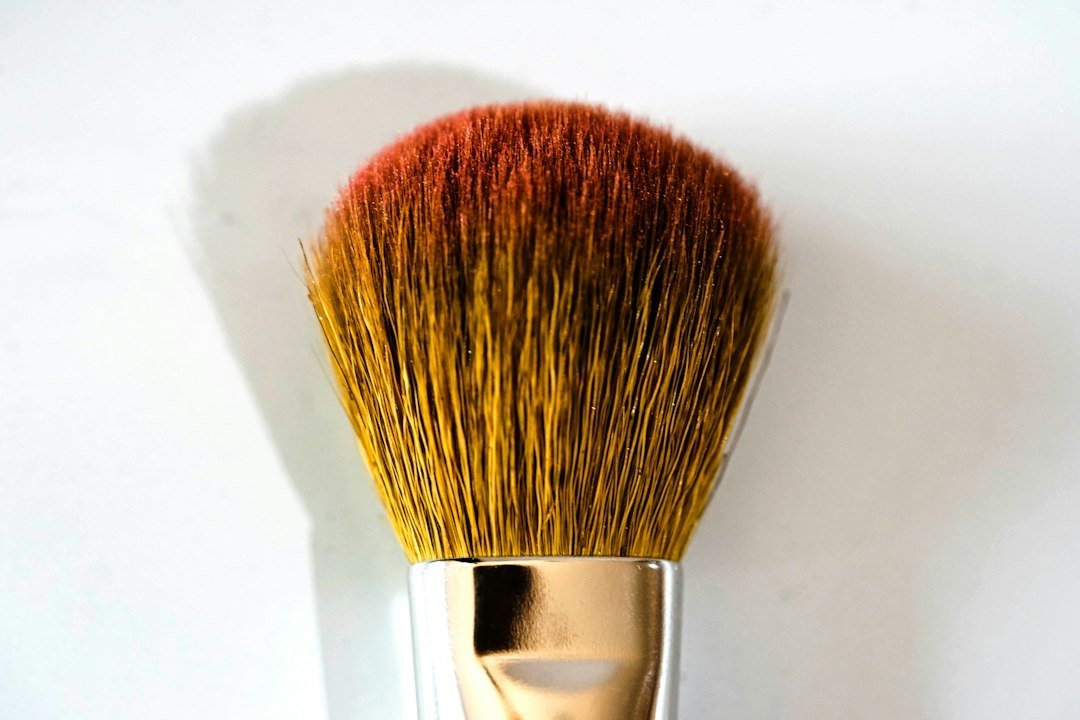
Welcome to the ultimate nail brush guide, where we’ll delve into the world of nail care and explore the importance of having the right nail brush for the job. Whether you’re a DIY enthusiast or a professional nail technician, this comprehensive guide will cover everything you need to know about nail brushes, from their history to their various types and uses.
History of Nail Brushes
Nail brushes have been around for centuries, with early versions made from animal hair or plant fibers. The first recorded use of nail brushes dates back to ancient China, where they were used for cleaning and shaping nails. Over time, nail brushes evolved to become more sophisticated, with the introduction of synthetic materials and ergonomic designs.
Today, nail brushes are an essential tool in the nail care industry, used for a variety of tasks such as cleaning, shaping, and applying nail polish. With so many types of nail brushes available, it can be overwhelming to choose the right one. Let’s take a closer look at the different types of nail brushes and their uses.
Types of Nail Brushes
There are several types of nail brushes available, each designed for specific tasks. Here are some of the most common types of nail brushes:
- Cuticle brushes: These small, gentle brushes are designed for cleaning and pushing back cuticles.
- Nail cleaning brushes: These brushes have stiff bristles and are used for cleaning under the nail and around the cuticles.
- Nail art brushes: These small, fine brushes are used for creating intricate nail art designs.
- Nail polish brushes: These brushes are designed for applying nail polish and come in a variety of sizes and shapes.
Materials Used in Nail Brushes
Nail brushes can be made from a variety of materials, including:
- Natural fibers: Such as sable, taklon, and camel hair, which are often used in high-end nail brushes.
- Synthetic fibers: Such as nylon and polyester, which are more affordable and durable than natural fibers.
- Blends: Some nail brushes combine natural and synthetic fibers for a balance of quality and affordability.
How to Choose the Right Nail Brush
With so many types of nail brushes available, it can be difficult to choose the right one. Here are some tips to help you make the right choice:
- Consider your needs: Think about what you’ll be using the nail brush for. If you’re a DIY enthusiast, a basic nail cleaning brush may be sufficient. If you’re a professional nail technician, you may need a more specialized brush.
- Look for quality materials: Natural fibers are often more effective than synthetic fibers, but may be more expensive.
- Check the size and shape: Make sure the brush is comfortable to hold and easy to maneuver.
Nail Brush Maintenance
To keep your nail brush in good condition, it’s essential to clean and maintain it regularly. Here are some tips:
- Wash with soap and water: Gently wash the brush with soap and warm water to remove dirt and oils.
- Shape the bristles: Use a comb or brush cleaner to shape the bristles and prevent them from becoming frayed.
- Store properly: Store the brush in a dry, cool place to prevent damage and extend its lifespan.
For more information on nail care and nail brushes, check out the Wikipedia page on nail care.
Conclusion
In conclusion, the right nail brush is an essential tool in any nail care routine. Whether you’re a DIY enthusiast or a professional nail technician, this guide has provided you with the information you need to choose the right nail brush for the job. By understanding the history, types, and materials used in nail brushes, you can make an informed decision and achieve professional-looking results.
Remember to maintain your nail brush regularly to extend its lifespan and ensure it continues to perform at its best. Happy brushing!
[…] For more information on choosing the right nail brush for your needs, check out our Ultimate Nail Brush Guide. […]
[…] more information on choosing the right nail brush for your needs, check out The Ultimate Nail Brush Guide. Additionally, if you’re looking for a cuticle brush to add to your nail care routine, be […]